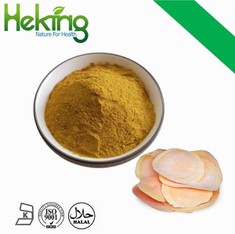
Quercetin
Description
Technical Parameters
Product description
Sophora japonica buds serve as the source for extracting quercetin. Available in yellow-green powder form, quercetin carries a bitter taste, exhibiting low solubility in water, but high solubility in alkaline solvents. This potent medicinal substance serves as an efficient expectorant and antitussive, displaying significant antiasthmatic properties. As a polyhydroxyflavonoid compound, quercetin carries various biological activities, providing high medicinal value. Quercetin finds its presence in numerous plants, such as Sophora japonica, onion, and other plant leaves, flowers, and fruits.

COA of Quercetin
Botanical Source | Quercetin |
Part used | Flower Buds |
Specification | HPLC95 / UV98% |
Item | SPECIFICATION |
Description | Quercetin is a plant-based flavonoid that exists in two forms: dihydrate and anhydrous. It is also available as a fine, yellow-colored powder. Quercetin dihydrate and quercetin anhydrous are similar in their chemical structure, but the former contains two molecules of water per unit of quercetin, while the latter is completely dry. Quercetin powder is a convenient way to supplement your diet with this antioxidant compound, which is found in fruits, vegetables, and other plant-based foods. By rearranging the above content, we can explain that quercetin is a flavonoid with two forms - dihydrate and anhydrous - which are chemically similar. Quercetin powder is also available, and it is a convenient way to add this antioxidant to your diet. This compound is naturally occurring in many plant-based foods, such as fruits and vegetables. |
Appearance | Yellow-Green Powder |
Flavor & Odor | Characteristic |
Particle size | 100% pass 80 mesh |
Physical | |
Loss on Drying | ≤5.0% |
Bulk density | 40-60g/100ml |
Sulphated Ash | ≤5.0% |
GMO | Free |
General Status | Non-irradiated |
Chemical | |
Pb | ≤3mg/kg |
As | ≤1mg/kg |
Hg | ≤0.1mg/kg |
Cd | ≤1mg/kg |
Microbial | |
Total microbacterial count | ≤1000cfu/g |
Yeast & Mold | ≤100cfu/g |
E.Coli | Negative |
Staphylococcus aureus | Negative |
Salmonella | Negative |
Enterobacteriaceaes | Negative |
Functions
Quercetin, a compound known for its therapeutic properties, has been widely utilized in the treatment of chronic bronchitis due to its excellent expectorant and antitussive effects. Additionally, it has also demonstrated some effectiveness in alleviating symptoms of asthma. The long-standing use of quercetin highlights its potential as a valuable treatment option for respiratory conditions.
Quercetin works as an anti-inflammatory agent by diminishing the immune response to allergens in the body.
Another important function of this substance is its ability to stimulate the growth of melanocytes and enhance the production of melanin. This promotes skin pigmentation and contributes to the formation of a healthy, radiant complexion. In short, the substance plays a crucial role in ensuring optimal skin health and appearance by promoting melanin synthesis and proliferation.
Quercetin has the ability to lower blood pressure by reducing the tone of blood vessels through inhibition of the release of endothelin. This powerful flavonoid has been shown to have great potential in improving cardiovascular health and preventing hypertension. By regulating blood flow, quercetin can also promote healthy blood sugar levels and protect against oxidative stress. Its anti-inflammatory properties further benefit overall cardiovascular function, making it a valuable nutrient for those looking to support heart health.
Hot Tags: quercetin, China quercetin manufacturers, suppliers, factory
Previous
Rutin PowderNext
QuercetinaSend Inquiry